
Laura Stagg -
As September approaches, the same conversation is happening at kitchen tables across the country. It’s a milestone that feels equally exciting and daunting: the transition to secondary school. Your child is getting a brand-new blazer, a heavier bag, and a newfound sense of independence.
For most parents, this independence comes with one specific requirement: a phone. You want to know they’ve arrived safely, that they can call if the bus is late, and that you’re always just a text away. But here’s the dilemma: how do you give them that vital lifeline without opening the "internet floodgates" too soon?
At J7 Store, we believe the solution doesn't have to be a high-stakes choice between safety and connection. This is about choosing something pro-childhood. By opting for a simple, communication-first phone built for calls, texts, and peace of mind, you can give your child the perfect first phone for the move to secondary school: one that keeps them connected and safe without the overwhelming nature of a smartphone.
The September Pressure: More Than Just a New School
The jump from primary to secondary school is significant. It’s the first time many children will travel alone or manage their own schedules. Naturally, you want them to be contactable. However, this often coincides with an immense pressure to own the latest high-end smartphone.
Many parents worry that if they don't provide a smartphone, their child will feel left out. But the reality is shifting. More families are choosing to protect childhood for a little longer, delaying social media access and reducing digital pressure during these formative years. A simple, reliable phone provides a brilliant middle ground: your child gets the independence of being able to call or text, while you get the reassurance that they are connected without carrying the full weight of smartphone culture in their pocket.

Why Communication-Focused Phones Are the Smart Choice
When we talk about a simpler phone, we aren't talking about taking something away. We are talking about choosing a device with a clear purpose: helping your child stay connected, safe, and confident as they settle into secondary school. Here is why that approach is often the smartest move for a first-year student:
1. Less Overwhelm, More Confidence
The first year of secondary school is already a whirlpool of new faces, subjects, and social dynamics. Adding the pressures of apps, notifications, and social media can make that transition feel even heavier. A basic phone gives your child space to settle in, build confidence, and focus on real-world routines without the constant pull of a smartphone.
2. School-Safe and Distraction-Free
Many UK secondary schools are tightening their policies on smartphones. A device that is primarily for calls and texts is often much more "school-safe." It stays in the bag during lessons and doesn't tempt your child to check apps under the desk. This ensures they are present in the classroom and interacting face-to-face with new friends during break times.
3. Battery Life That Actually Lasts
We’ve all been there: your child needs to call you after an after-school club, but their phone is dead. Modern smartphones are notorious for battery drain. In contrast, feature phones from brands like Nokia and TCL are built to last for days on a single charge. It’s one less thing for them (and you) to worry about.
J7 Store’s Top Picks for September
Finding the right balance between functionality and simplicity is easy when you know where to look. We specialise in providing reliable feature phones that fit this in-between stage beautifully: enough independence for your child, without handing over too much too soon.
Best For: The Durability Champ: Nokia 110 4G (Second Edition) Basic Mobile Phone
If your child’s phone is likely to spend its life rattling around at the bottom of a packed school bag, this is a reassuring choice. With IP54 splash resistance, a tough build, and modern USB-C charging, the Nokia 110 4G (Second Edition) is built for everyday knocks without making life more complicated for you.
Best For: The Simple Essential: TCL onetouch 4021 2G Basic Mobile Phone
This is the ultimate no-fuss starting point. The TCL onetouch 4021 is lightweight, easy to use, and focused on the basics, making it ideal if you want something straightforward that simply gets the job done.
Best For: The Style Icon: Nokia 3210 4G Basic Mobile Phone
For the child who wants their first phone to feel intentional rather than boring, the Nokia 3210 4G brings a retro-cool look with a little extra personality. The 2MP camera with flash also means they can capture a few school-trip memories without stepping into full smartphone territory.
Best For: The Modern Reliable: TCL onetouch 4042s 4G Basic Mobile Phone
If you want the reassurance of modern call quality in a distraction-free package, the TCL 4042s is a strong fit. With 4G VoLTE support for crystal-clear calls and a clear 2.4" screen, it gives you dependable communication in a simple, school-safe format.

A Multi-Layered Benefit: Cost and Practicality
Choosing a simpler, distraction-free phone isn't just a win for your child’s focus; it’s also a smart, practical choice for family life.
- Affordability: You can secure a reliable, high-quality new phone for a fraction of the cost of a flagship smartphone. This is particularly helpful if your child is prone to losing things: losing a £40 feature phone is a much smaller headache than losing a £600 smartphone.
- Practical Simplicity: A brand-new feature phone keeps things beautifully straightforward. You get dependable communication, fewer distractions, and less pressure to manage expensive tech before your child is ready for it.
Building a Healthier Digital Foundation
Starting secondary school is about building foundations: academic foundations, friendship foundations, and digital foundations. By starting with a simple, secure device, you are showing your child that a phone can be a tool for connection, reassurance, and growing independence, without becoming a constant source of pressure or distraction.
As they grow and show they can handle the responsibility of a device, you can gradually move up the "digital ladder" to more advanced smartphones. But for that big leap into Year 7? A simple, school-safe phone is often the very best way to make that first taste of independence feel positive, manageable, and age-appropriate.
Ready to find the perfect school-safe phone? Explore options like the Nokia 110 4G (second edition), TCL onetouch 4021 basic mobile phone, Nokia 3210 4G, and TCL 4042s to get ahead of the September rush.
For more tips on navigating your child's first steps into the digital world, check out our Parents' Guide to Choosing a First Phone.
Basic Phones
-
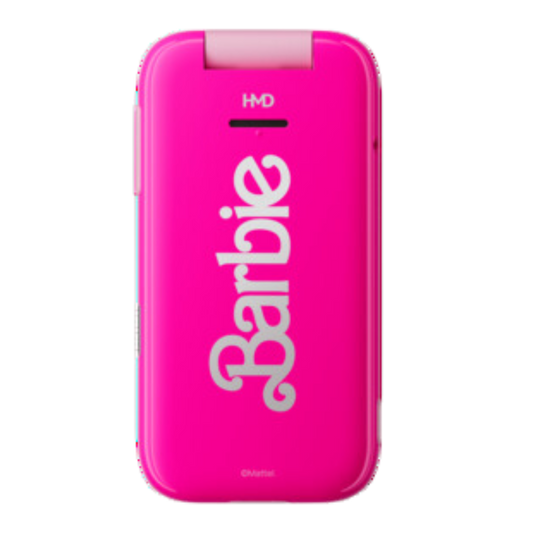
Official HMD Barbie Pink Flip Phone
Regular price £49.97 GBPRegular priceUnit price per -
Nokia 3210 4G Mobile Phone Scuba Blue Unlocked
Regular price £69.97 GBPRegular priceUnit price per -
Doro 1380 2G Black Dual SIM Basic Phone with Large Buttons
Regular price £39.97 GBPRegular priceUnit price per -
Nokia 105 2024 2G Basic Mobile Phone Black USB-C
Regular price £22.97 GBPRegular priceUnit price per